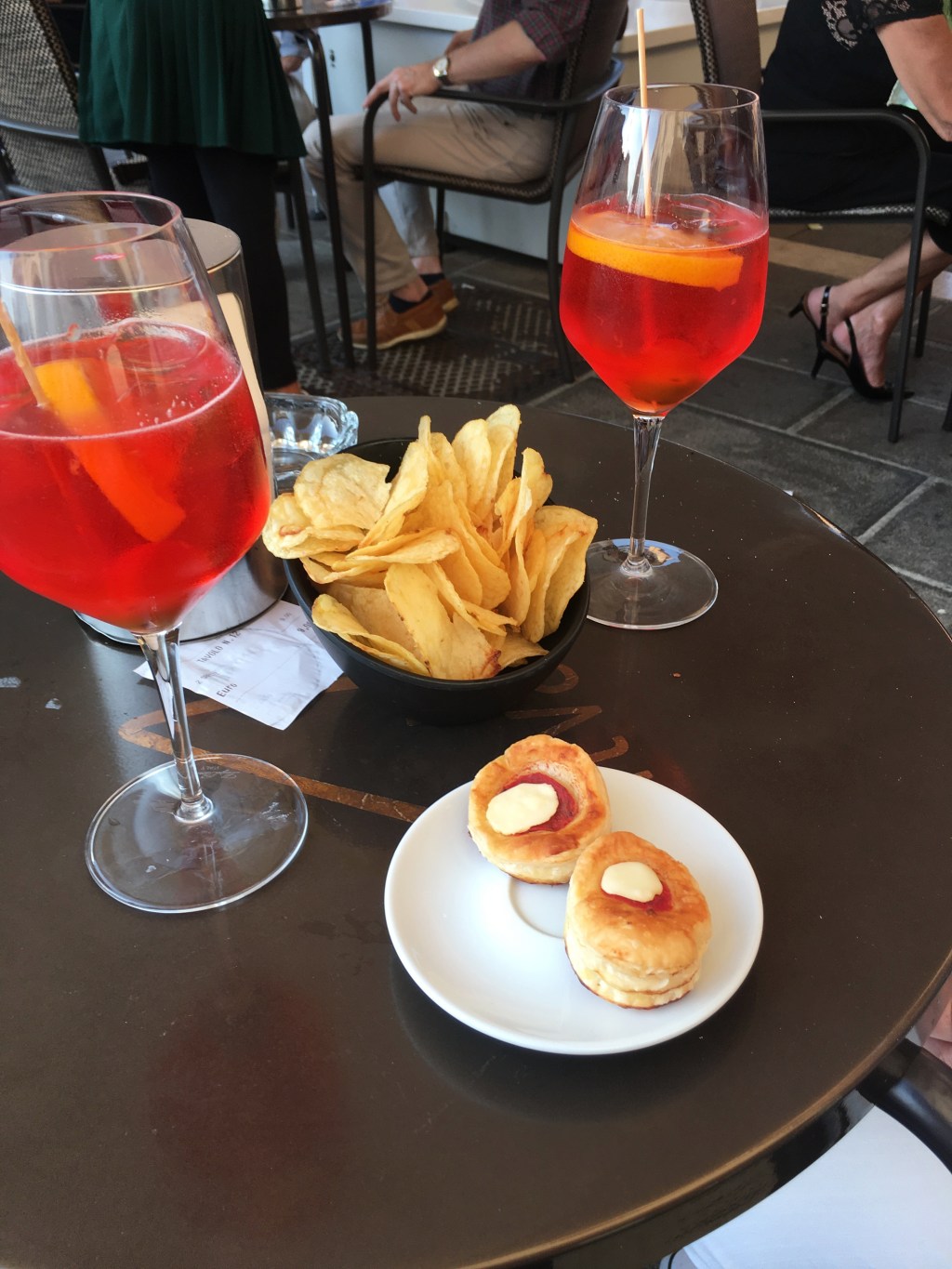
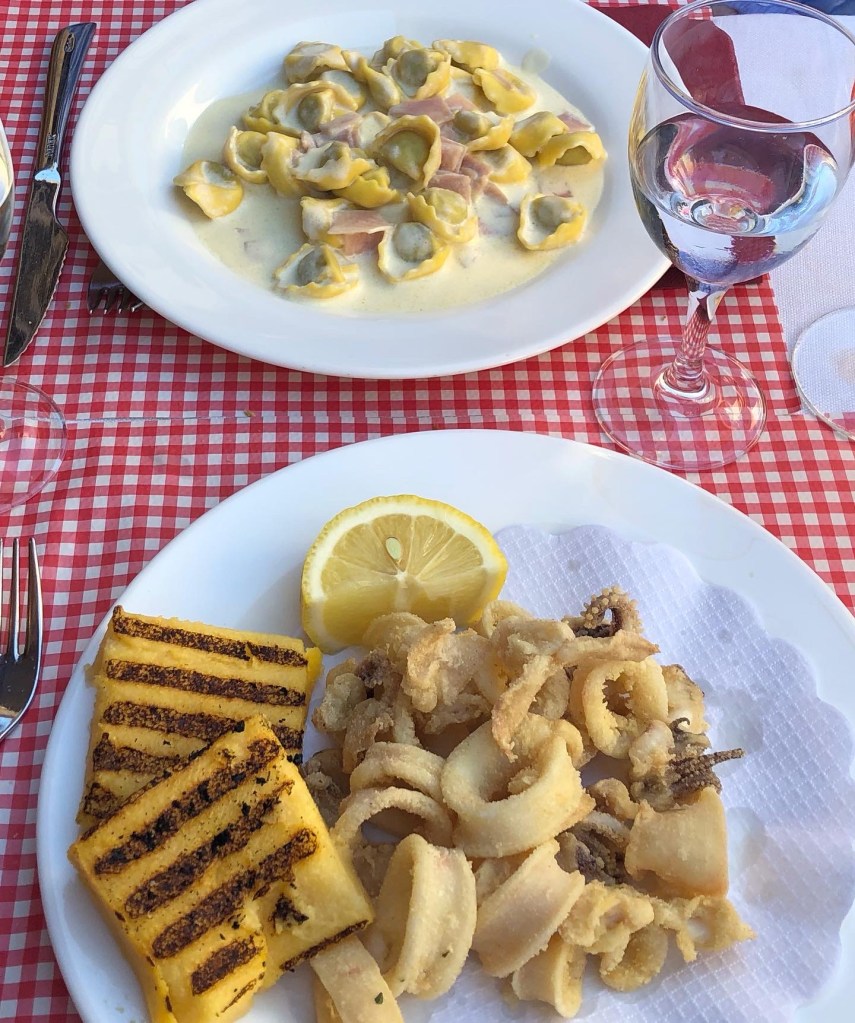
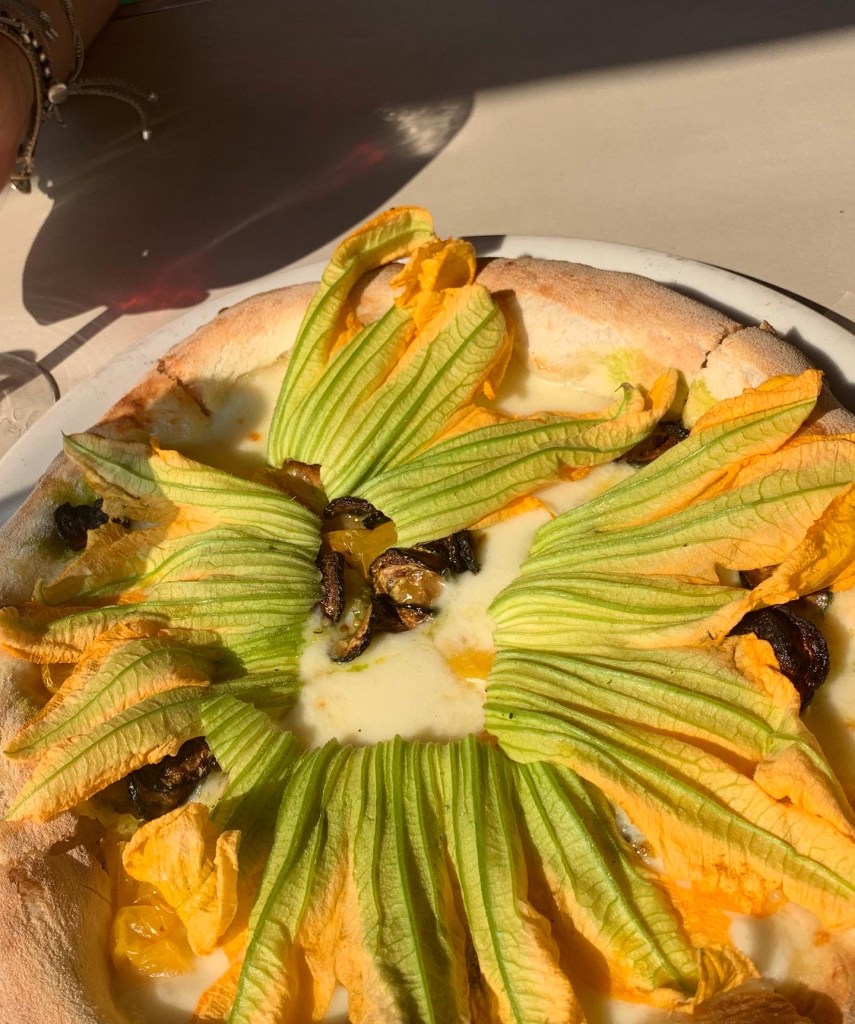
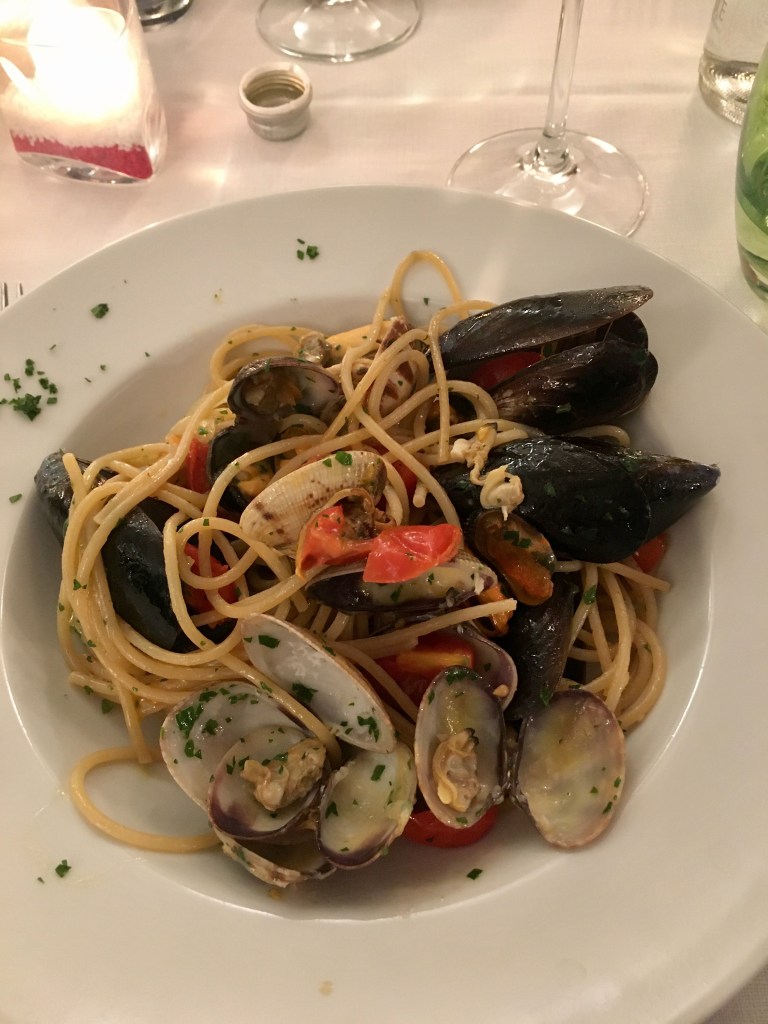
During this quarantine period I have learnt a very important lesson about myself: I live for food. My entire day revolves around it. What is there to eat? What shall I cook? Shall I try baking? Will everyone enjoy this meal? Does it even matter if I know I’ll like it? You know, the usual questions. However, this unearthing was unfortunately accompanied by the sad realisation that I did not fully indulge in the great creation that is Italian cuisine. Considering the fact that I did not have to be rolled onto my flight home, I almost feel a sense of failure in fully relishing in what Italy has to offer. Regardless of this, the sheer volume of food that I did consume is, arguably, one of my greatest achievements. Pizza, pasta, arancini, gelato, cicchetti, frittelle, tiramisu, espresso; all accompanied by copious amounts of spritz, naturally.
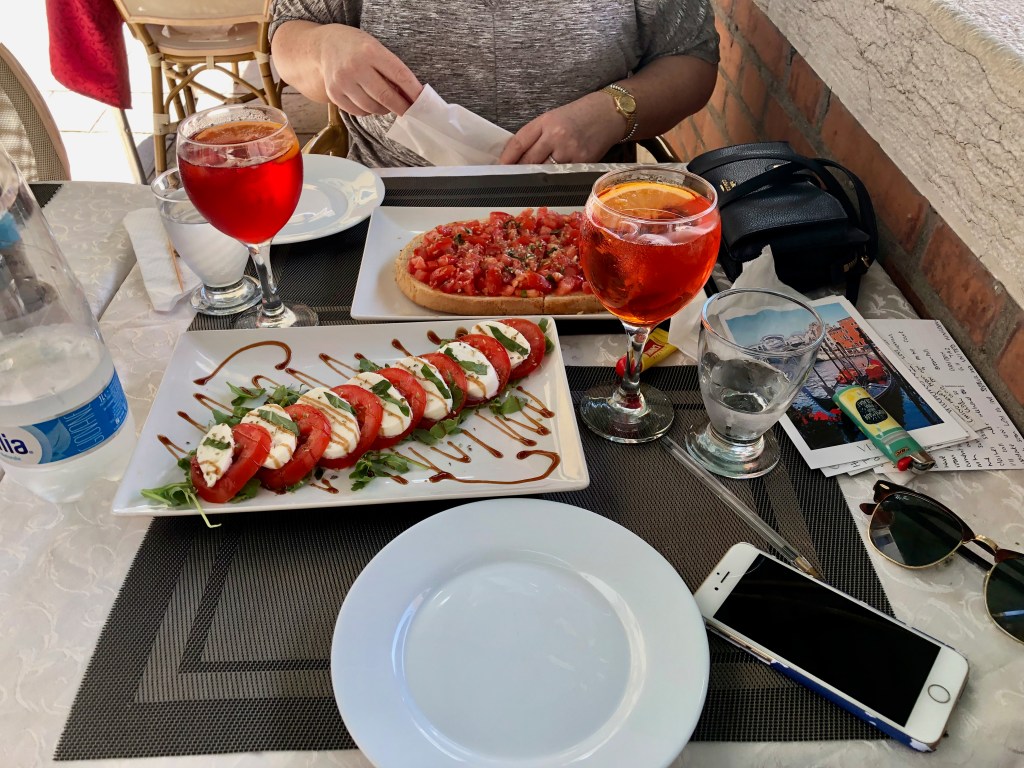
I am not alone in my appreciation for the art that is Italian gastronomy. Widely regarded as one of the best cuisines in the world and with recipes passed down through generations, Italian dishes effortlessly awaken even the most undiscerning of taste buds. I challenge you to find a more superior, simpler and succulent addition to the culinary world.
Born and raised in Modena, Northern Italy, Massimo Bottura has become a culinary force to reckon with. Like many Italians, his love for the kitchen stems from his admiration for the culinary genius of the women in his family. His unique approach and the idiosyncratic strain he pours into his work distinguishes him from other chefs. All of his creations channel Italian culture and tradition. Juxtaposing culinary tradition with innovative contemporary art and design, Bottura incorporates his passion into his creations, allowing them to reflect the vast workings of his mind.
His most successful venture is his Michelin star restaurant, Osteria Francescana, in Modena. The restaurant opened in 1995 and each dish is an amalgamation of tradition and innovation. One of his more famous dishes is named ‘Oops, I dropped the lemon tart’, which came to fruition when Takahiko Kondo, a pastry chef at Osteria Francescana, dropped a tart in the kitchen. Bottura saw the charm in the mess and now always serves the tart broken. Critics claim that Bottura’s cooking is a love letter to his country, and subsequently a challenge to the rigor that could be perceived to hold it back. His progressive approach has been celebrated since he obtained his first Michelin star in 2001, when one of Italy’s most critically acclaimed food critics happened to be stuck in Modena while journeying from Rome to Milan and stopped by Osteria Francescana for a meal. His radical approach to his cooking is further exemplified in his creation of the cheese vaporiser. Thanks to Bottura, you can now inhale the flavour of cheese. Whether or not this is a necessity in the culinary world is a question for another day, but Bottura advises to “Keep your mind open, always keep a door open to the unexpected”.
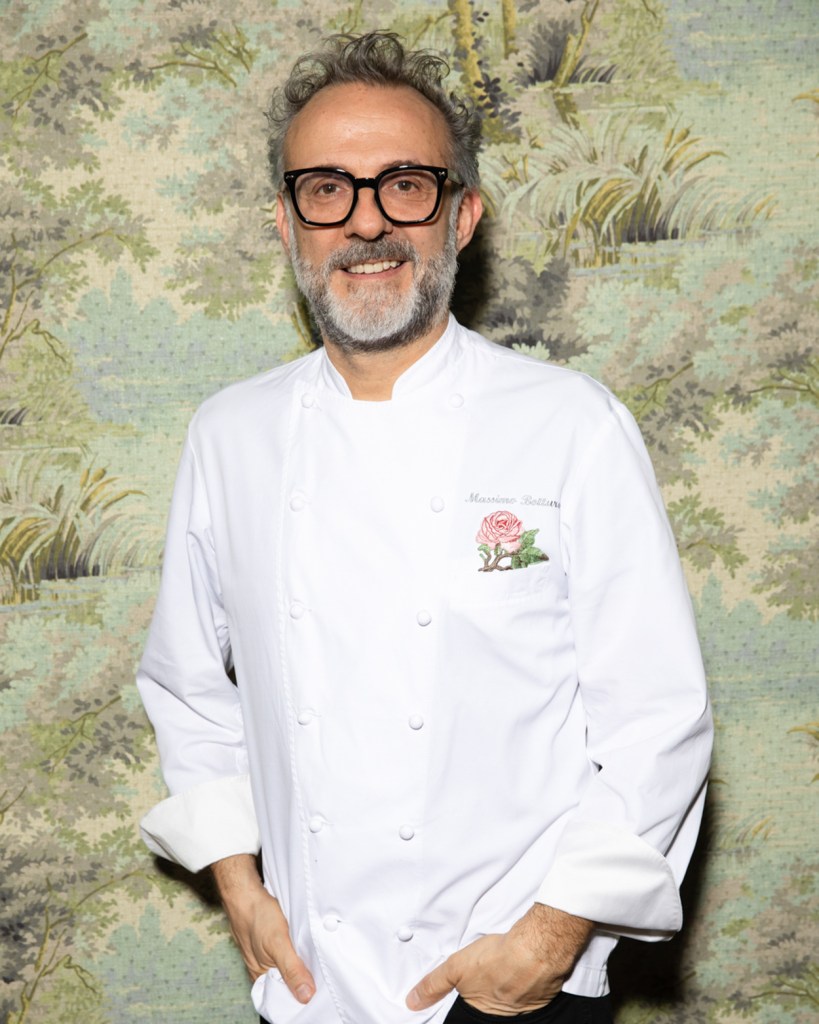
Massimo Bottura 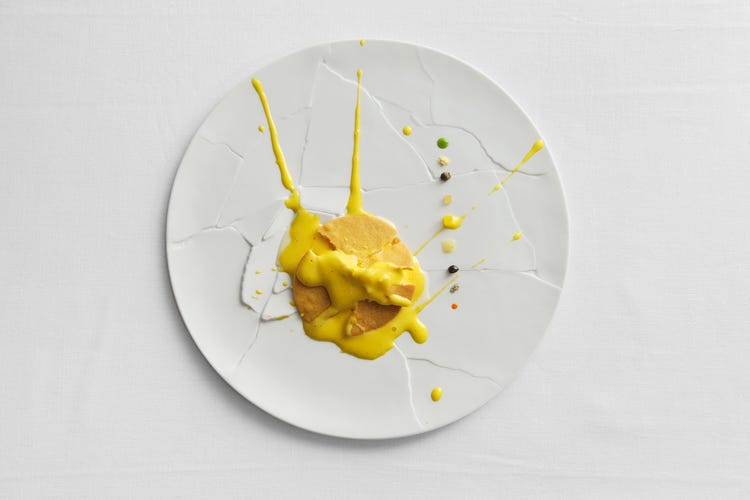
‘Oops, I dropped the Lemon Tart!’ at Osteria Francescana
Bottura’s talents are irrefutable, however, I could not help but wonder if in fact this revolutionary approach was necessary for the future of Italian cuisine? To grasp a wider consensus on the matter, I took this question to my followers on Instagram. Whilst the responses varied, they predominantly consisted of unparalleled shock and disgust that I would even hint at such a criminal suggestion. Some rather strong feelings on Italian gastronomy were exposed, largely praising the remarkable versatility of pasta dishes.
The most common response was ‘if it ain’t broke, don’t fix it’, swiftly followed by ‘why would you revolutionise the world’s best cuisine?’ It would seem that most believe Italian cuisine to be such a classic, family orientated tradition that any attempt to alter the recipes would result in the loss of its authenticity. The work of the nonne* passed down from generation to generation deserves key recognition in international cuisine. The backlash to my question was softened by the overwhelming praise for Italian food; reliable, rich in culture, top quality, delicious and, quite frankly, unbeatable, were the principle observations on this side of the debate.
On the other hand, I encountered certain individuals who seemed more open to changes within the Italian diet. The reasoning behind this desire for change often took an optimistic approach. The general attitude amongst this party was that there is ‘always room for improvement’, with particular focus on the possibility to achieve and incorporate superior flavour and scrumptiousness.
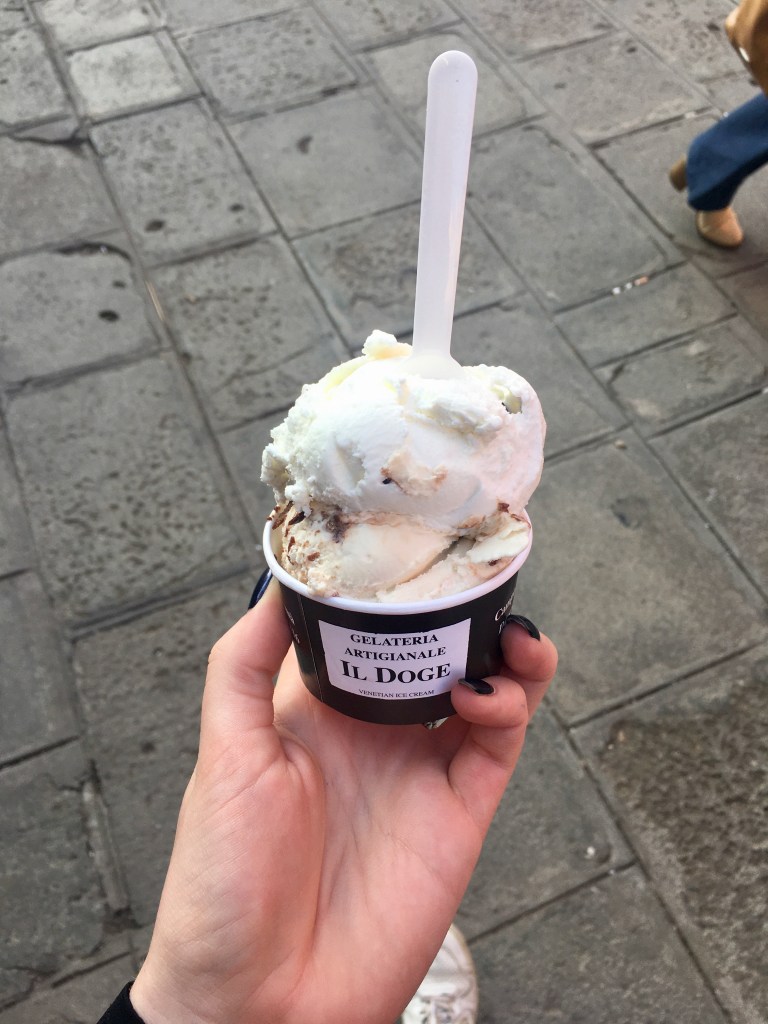
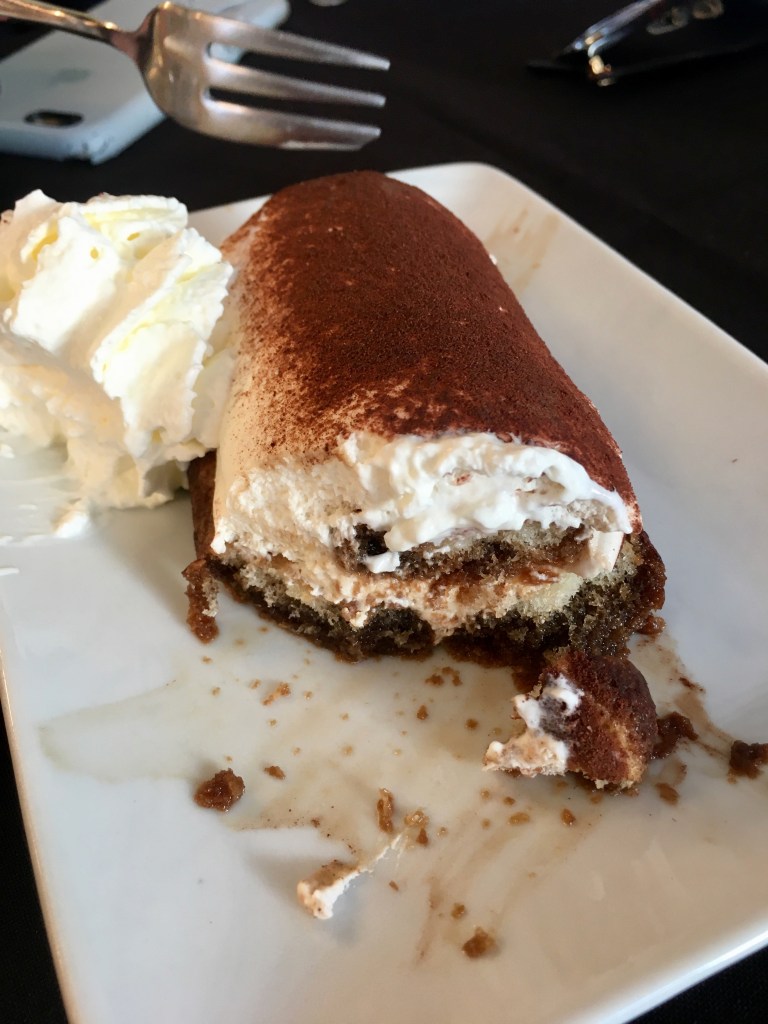
Additionally, there are those who wanted to change the global perception of Italian cuisine. The common misconception linking Spaghetti Bolognese to the city of Bologna is a clear example of this, as many are ill-informed of the dish’s origin. In 2019, the Mayor of Bologna, Virginio Merola, spoke out about his frustration at tourists who visit Bologna and order the dish, as he claims that it “doesn’t actually exist”. This misconception may be precisely why certain parties clamour for innovation. The only recurring issue that I identified throughout this investigation was that Italian desserts had been overlooked. With quirkier presentation, stronger emphasis on flavours, such as truffle, and new techniques used to achieve the main dishes, there is the worry that the traditional tiramisu, gateau and gelatos are falling behind.
A wise, Italian friend once told me that ‘revolutions in the kitchen are always welcome, if done with reason’, and I believe this to be the most pragmatic approach to any changes that may or may not be made to this famous, beloved cuisine. It is clear that steps are being taken to revamp the traditional Italian delicacies, with some chefs even going so far as to serve ‘baked bean pizza’. However, only time will tell whether these changes will take off. Who knows, pineapple may one day even be widely accepted as a respectable pizza topping!
*nonne = grandmothers
© S R D HILL
 Not Sophia Loren