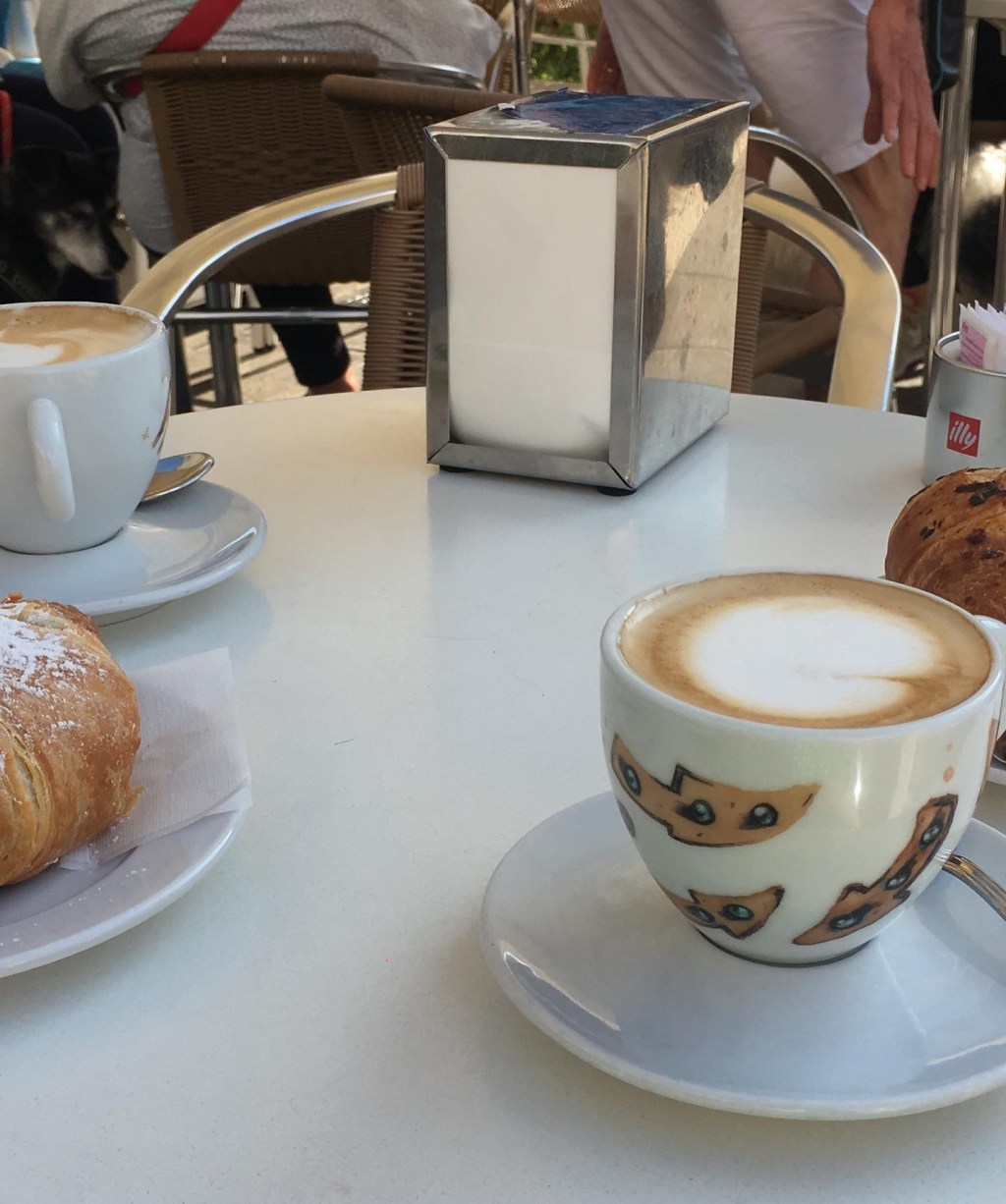
Italy produces over 13 thousand tonnes of spaghetti every year, churns out two million swimming pools of Nutella and drinks the most espressos in the world. Right? Well, for a country that finances itself through its stereotypes, it’s doing a pretty poor job of seeing them through. Contrary to popular belief, Italy is only the 13th country in the world with the highest coffee consumption. Regardless of the devastation that comes with accepting that fact; one cannot deny that espressos do lie at the heart of Italian culture.
Espressos really are homogenous goods in Italy. A crucial step in an Italian’s daily routine, often drunk whilst stood at the bar of a café, accompanied by a croissant filled with some form of deliciousness, there really is no better way to start your day. Rarely part of a chain of bars, each café then has the task of pricing this commodity. There has been great investigation into the varying price of an espresso across Italy, varying across cities and regions, which has led to one general conclusion: the higher number of bars per capita, the higher the price. Costs range from 30 cent in the south, to the then comparably extortionate rates of in larger cities in the North of €1.70. However, as a result of the sheer volume of espresso drunk daily and the vast levels of rivalry across hundreds of bars in each city; the general cost trend tends to cluster around the lower half, therefore still allowing owners to turn a profit. Fascinating, I know.
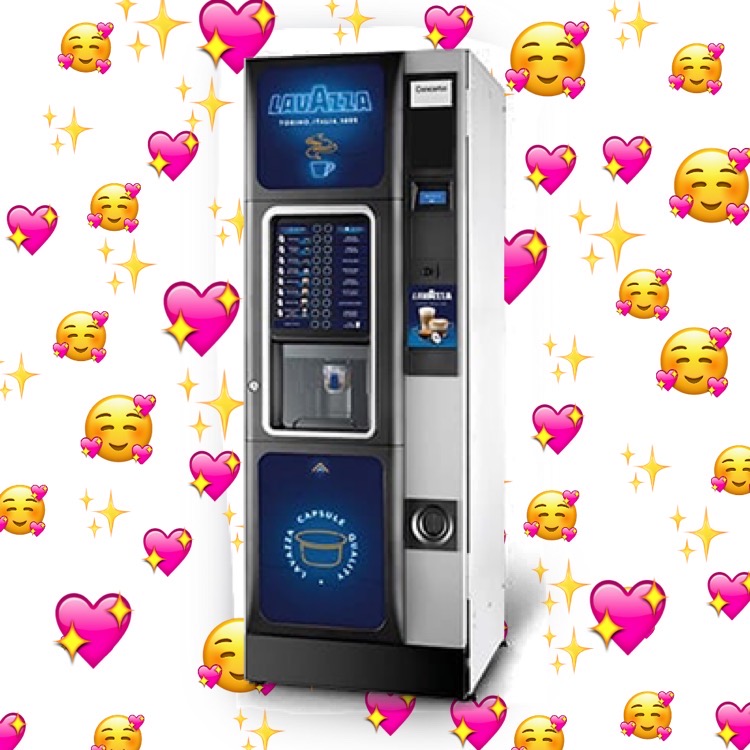
Whilst drawing myself away from the riveting economics of Italian caffeine, I thought I would divert your attention to what would usually be considered an everyday object, but in this case revolutionary: the coffee vending machine. I know many of you will be uttering the words: “What on earth could be so great about a coffee machine?” or even more colourful language, questioning my sanity at this point, but let me stop you there. Italian coffee vending machines are so much better than any you have ever experienced before. I must admit that the process of pressing a button, inserting your money and then waiting for your liquid energy doesn’t necessarily scream fun, but it’s the little things, right? Wrong. To put it simply, when it comes to coffee machines the Italians, naturally, have hit the nail on the head.
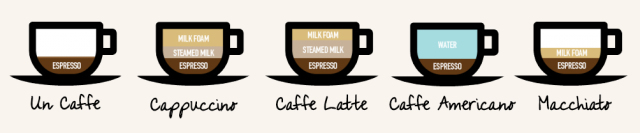
Step One; select your coffee, whether it be a simple espresso or a triumphant cappuccino.
Step Two; select your sugar level, within the range of one to five levels of sweet, sugary goodness.
Step Three; pay, either with change or contactless.
Step Four; wait for your coffee, taking no longer than 4-7 seconds.
Step Five; be presented with your coffee and wished on your way by the automated, but nonetheless charming voice projected from the machine: “Grazie e arriverderci!”
Before I am judged for being so satisfied by an automated message from a machine, I would like to argue the comforting aspect to this. Upon moving to a foreign country alone, something as simple as this can be roughly translated as: “Congrats, you’re doing something right!”To round up by returning to the title of this article: Is there a legal stance on the cost of espressos in Italy?
To put it simply, no. Unfortunately, this is only an urban myth, but a plausible one. As you must ask yourself, would it really be too far-fetched to believe that the Italians would put regulations on coffee in written legislation?

© S R D HILL
 Not Sophia Loren